AI Risk Ownership Cannot Be Delegated
Artificial intelligence is no longer a side experiment inside the enterprise. It is becoming part of how organizations develop software, manage cybersecurity, analyze data, serve customers, and make operational decisions. That shift creates a leadership problem that cannot be solved by procurement, technology teams, or vendors alone: when AI affects decisions, data, operations, compliance, security, and trust, who owns the risk?
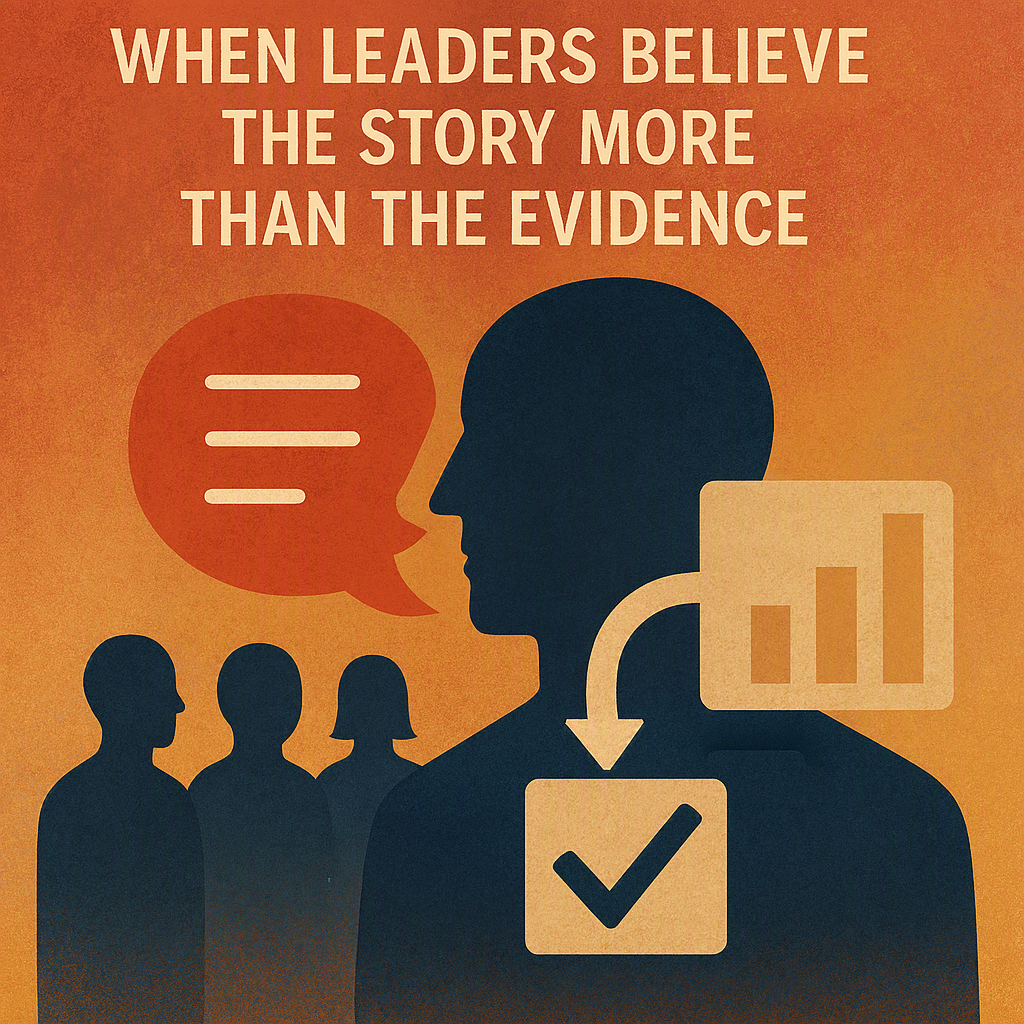
The Hidden Cybersecurity Risk: When Leaders Believe the Story More Than the Evidence
This is the cybersecurity danger of motivated reasoning: the tendency to interpret evidence in ways that support preferred beliefs, existing investments, organizational narratives, or desired outcomes rather than testing those beliefs against the strongest available evidence. In a cyber context, the problem is not simply cognitive bias. It is governance risk. When leaders explain away inconvenient signals, cyber exposure can become normalized until it affects resilience, disclosure readiness, third-party assurance, or board oversight.

Cybersecurity in the Age of AI: Why Security Must Adapt Without Starting Over
Artificial intelligence is no longer a contained technology experiment. It is embedded into customer engagement, software development, decision support, knowledge management, security operations, and business process automation. As AI moves into operational workflows, it changes the cybersecurity question leaders must answer.
Why Cyber Risk Demands a New Way of Thinking
Why does cyber risk matter so much now? Because we are no longer protecting systems. We are protecting trust. We are protecting value. And increasingly, we are protecting entire ecosystems that are deeply interconnected, constantly evolving, and profoundly vulnerable.
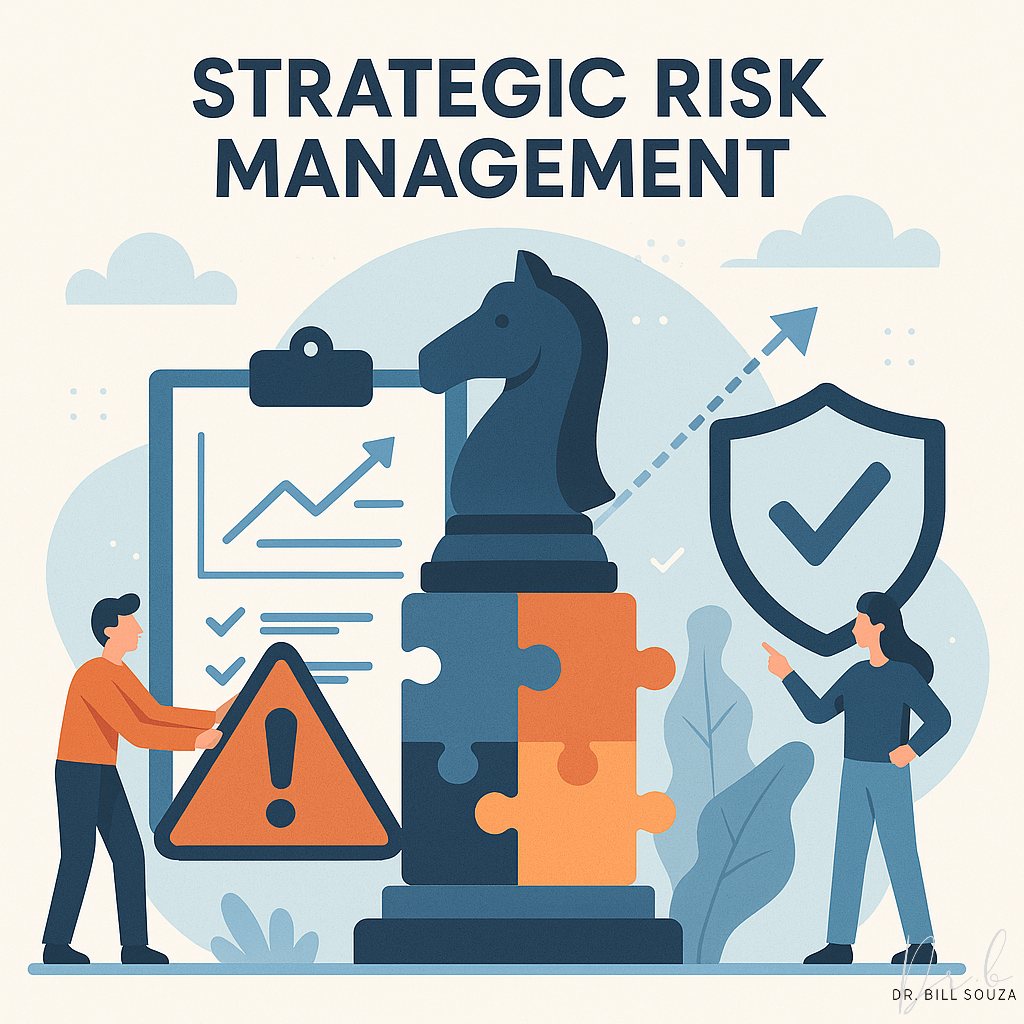
NACD Principle One: Threat Cybersecurity as a Strategic Risk
As the organization pursues growth through new products, digital transformation, and acquisitions, cyber risk increasingly originates from externally acquired technologies rather than internally developed systems.
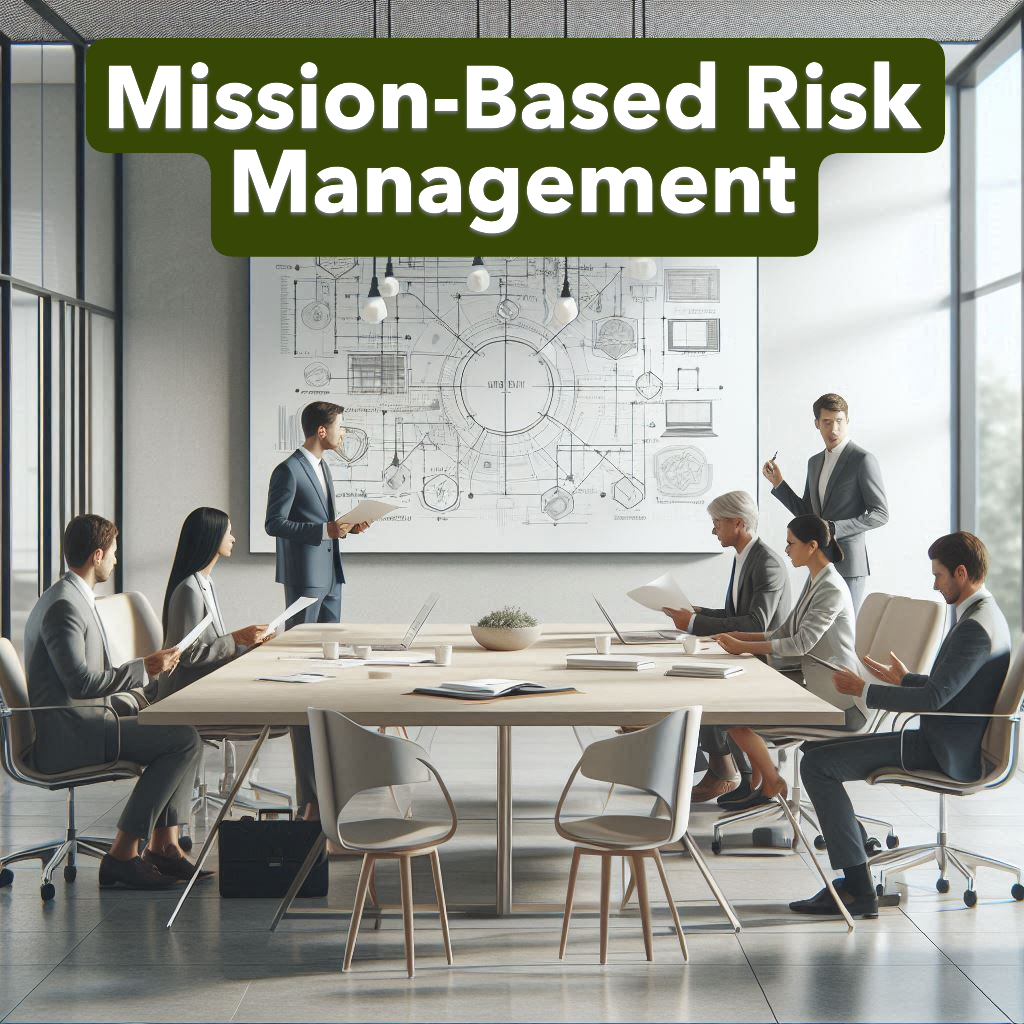
Mission‑Based Risk Management in the Age of Cloud and AI
Containers spin up and down. Serverless functions execute for milliseconds. Data moves across regions. Trying to “protect every asset” in cloud environments is impossible. Instead, organizations must identify the effects that cloud services enable, such as real‑time billing, customer authentication, or AI‑driven decision support, and ensure those effects remain resilient even when components fail.

Why the Classic “Risk = Threat × Vulnerability × Consequence” Formula Fails Us
The formula Risk = Threat × Vulnerability × Consequence has been the workhorse of many homeland security and critical‑infrastructure programs. But as Cox (2008) makes clear, this formula is deeply flawed, mathematically, conceptually, and operationally, especially when facing intelligent, adaptive adversaries such as terrorists.
Cyber Risk: Executive Summary for the CRO/COO
Cyber risk continues to impose significant operational, financial, regulatory, and reputational consequences across industries. However, the materials reviewed demonstrate that while structured quantification frameworks, particularly FAIR, are widely promoted, most organizations face severe practical constraints when attempting to implement quantitative cyber‑risk measurement at scale.
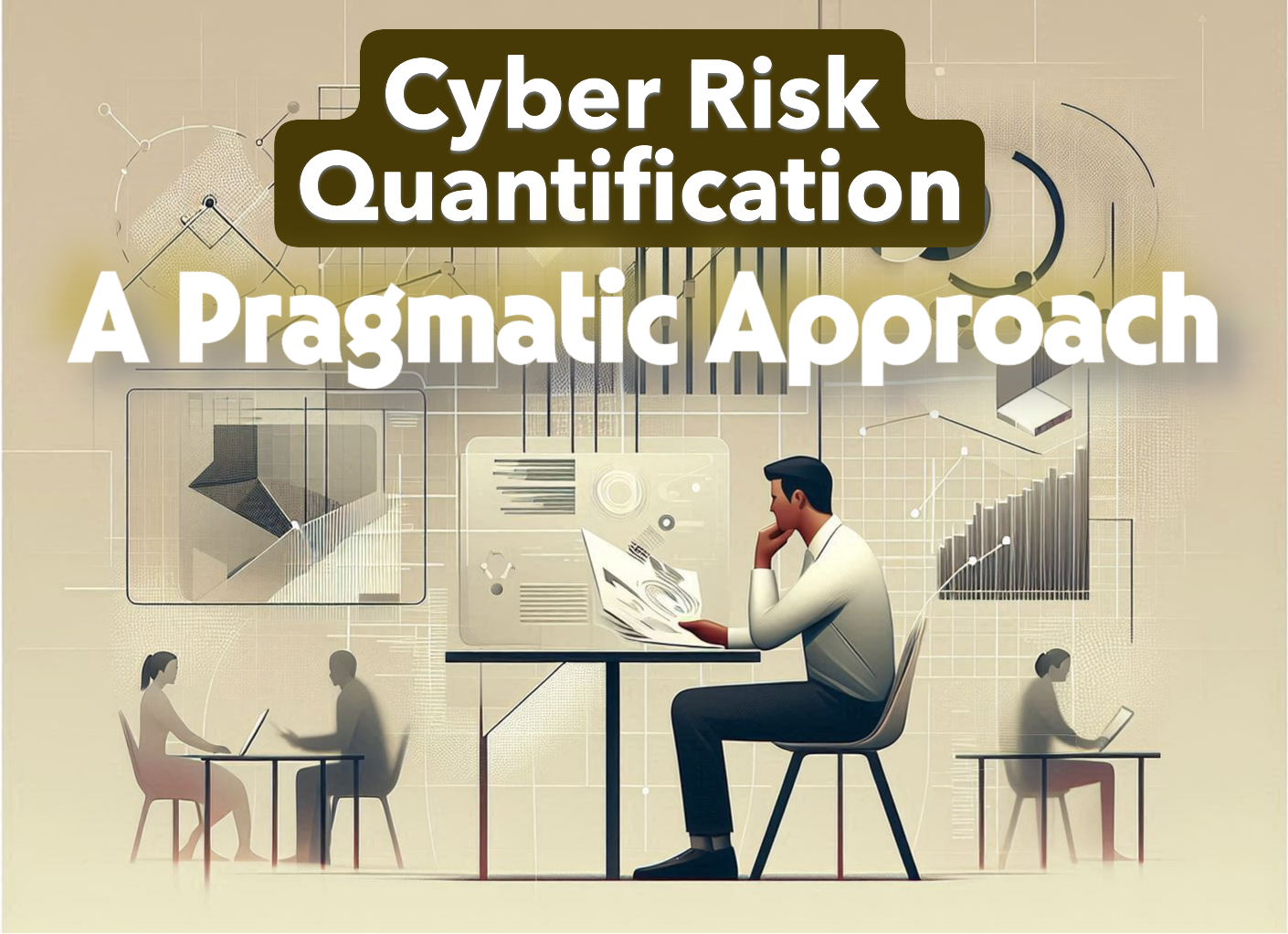
Pragmatic Cyber Risk Quantification
A single, unified argument emerging across all research is that organizations struggle to implement cyber‑risk quantification in practice because the process requires precise, structured, and data‑driven measurement. At the same time, real-world organizational environments lack the data quality, resources, maturity, and alignment needed to operationalize these theoretically robust models.

Making Cybersecurity Infectious
Power doesn't always reside in size or strength but in the ability to spread, influence, and become contagious.
And that's precisely the question we need to ask ourselves about cybersecurity: What would it take to make it infectious? How can we spread a passion for security, a sense of shared responsibility, and a commitment to protecting our digital world?

How Cognitive Atrophy Amplifies Phishing Risk — And What We Can Do About It
How Cognitive Atrophy Amplifies Phishing Risk — And What We Can Do About It